
VIP member
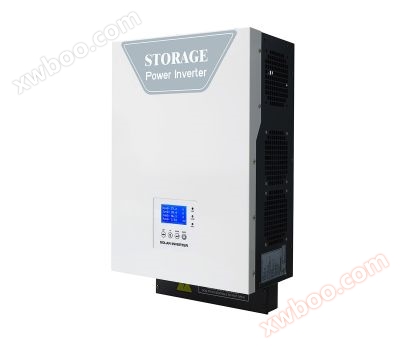
ES Photovoltaic Off grid Integrated Energy Storage Inverter
Inverter has two working modes: mains power priority. When the photovoltaic energy is sufficient, the photovoltaic power not only supplies power to th
Product details
|
Priority given to mains electricity When the photovoltaic energy is sufficient, it not only supplies power to the load, but also charges the battery or feeds the mains power; When the photovoltaic energy is insufficient, the photovoltaic and mains electricity provide energy to the load together, while the battery does not provide energy to the load; When the photovoltaic energy is insufficient and the mains power is cut off, the photovoltaic and battery together provide energy to the load. Advantage:Under the priority scheme of mains power, the system prioritizes the use of photovoltaic energy, and when the photovoltaic energy is insufficient for local load use, it will be supplemented by mains power; In this working mode, the battery is only discharged and replenished when there is a mains power failure and insufficient photovoltaic energy. In general, batteries are in a fully charged state, greatly extending their service life. |
|
| . | ||
|
Battery priority When the photovoltaic energy is sufficient, it not only supplies power to the load, but also charges the battery or feeds the mains power; When the photovoltaic energy is insufficient and the battery voltage is greater than 48V, the photovoltaic and battery together provide energy to the load, and the mains power does not provide energy to the load; When the photovoltaic energy is insufficient and the battery voltage is less than 48V, the battery will linearly reduce its output energy, only providing partial energy to the load, and the remaining energy will be provided by the mains power. Advantage:Under the battery priority scheme, the system prioritizes the use of photovoltaic energy, and when the photovoltaic energy is insufficient for local load use, it is supplemented by discharging the battery; Commercial power only supplements power when there is insufficient photovoltaic energy and batteries, greatly reducing users' electricity costs. |


|
During the valley period (when electricity prices are low), the mains power charges the battery through an inverter; During peak hours (when electricity prices are high), the inverter outputs full power, and the battery supplies electricity to the grid while meeting the load demand, achieving the goal of selling electricity online. Not only does it alleviate the pressure of electricity supply, but it also provides users with economic benefits from the peak valley price difference of electricity bills. ※ Users can set the peak and valley time periods for electricity consumption This function must operate in battery priority mode |
In the event of a power failure, the inverter will stop working in grid connected mode and automatically switch to off grid mode. The solar energy will continue to generate electricity to provide uninterrupted power to the load, and the remaining photovoltaic energy will be stored in batteries. |
Regardless of the operating mode, the inverter prioritizes the use of photovoltaic energy, and when the photovoltaic energy is insufficient, it is supplemented by mains power or batteries. When there is surplus photovoltaic energy, it is stored in batteries or connected to the grid to achieve the purpose of self use and grid connection, and to maximize the utilization of photovoltaic power generation. |
|
The inverter is compatible with various battery types such as lead-acid batteries and lithium-ion batteries. Both PV (solar) and mains power can be used to charge the battery, and the charging current is adjustable. The 3-stage/2-stage high-efficiency charging technology ensures efficient battery life. ※ The inverter comes standard with lead-acid batteries at the factory. If you need lithium batteries, please make a note before placing an order |
Under both mains and photovoltaic power supply conditions, the inverter automatically starts up, facilitating power management in unmanned situations. |
When the mains power is supplied to the load through an inverter, there is no loss. When the photovoltaic and battery power are supplied to the load, the inverter loss is less than 10%, leading the industry. |


| Model ES | 3KW | 5KW | |
| Photovoltaic input | Maximum input voltage (at 25 ° C) | 150V | |
| MPPT tracking range | 60V~120V (recommended open circuit voltage within 120V)) | ||
| MPPT channels | 2 routes | ||
| Maximum Input Power | 1960W/1960W | 3360W/3360W | |
| storage battery | Battery Type | Lead acid battery/lithium-ion battery | |
| rated voltage | 48V | ||
| Maximum charging current (adjustable, recommended 0.1C) | 70A (Photovoltaic))/35A (mains power) | 120A (Photovoltaic))/60A (mains power) | |
| Floating voltage (adjustable) | 55.2V | ||
| Equal charging voltage (adjustable) | 56.8V | ||
| Charging method | 3-stage/2-stage | ||
| communication input | Rated input voltage | 220V/230V | |
| Input Voltage | 187V~264V | ||
| Rated input frequency | 50Hz/60Hz±5Hz | ||
| Anti islanding protection | ≤2S | ||
| Grid restoration time | 30S | ||
| communication output (Off grid mode) |
Rated output power | 3KW | 5KW |
| rated output voltage | 220V/230V | ||
| voltage accuracy | ±2% | ||
| Rated output frequency | 50Hz/60Hz | ||
| Output frequency accuracy | ±1% | ||
| communication output (Grid connected mode) |
Rated output power | 3KW | 5KW |
| output current | 13.6A | 22.7A | |
| output voltage | 187V~264V | ||
| output frequency | 47~52Hz/57~62Hz | ||
| power factor | >0.99 (rated power) | ||
| protection function | Short Circuit Protection | yes | |
| overload protection | yes | ||
| Overvoltage and undervoltage protection | yes | ||
| Over/under frequency protection | yes | ||
| over-temperature protection | yes | ||
| Island protection | yes | ||
| Conventional Parameters | topological structure | Isolation of power frequency transformer | |
| display | LCD+LED | ||
| communication software | RS232/RS485/Mobile App/SNMP/GSM (optional) | ||
| Operating Temperature | -10 ℃~60 ℃ (used for derating above 45 ℃) | ||
| Storage temperature | -20℃~60℃ | ||
| noise | ≤60dB | ||
| relative humidity | 0%~95% (no condensation) | ||
| altitude | 2000m (use with reduced rating if exceeded) | ||
| Machine size (L * W * Hmm) | 592*380*265 | ||
| Packaging size (L * W * Hmm) | 650*435*290 | ||
| Net weight (kg) | 36 | 45 | |
| Gross weight (kg) | 40 | 49 | |
| Installation method | wall-mounted | ||
| Note: Please contact the sales consultant to obtain the latest product specifications | |||


Wiring diagram of off grid energy storage inverter

Installation diagram of photovoltaic off grid integrated energy storage inverter
Online inquiry
-
Contacts
-
Company
-
Telephone
-
Email
-
WeChat
-
Verification Code
-
Message Content
-