VIP member
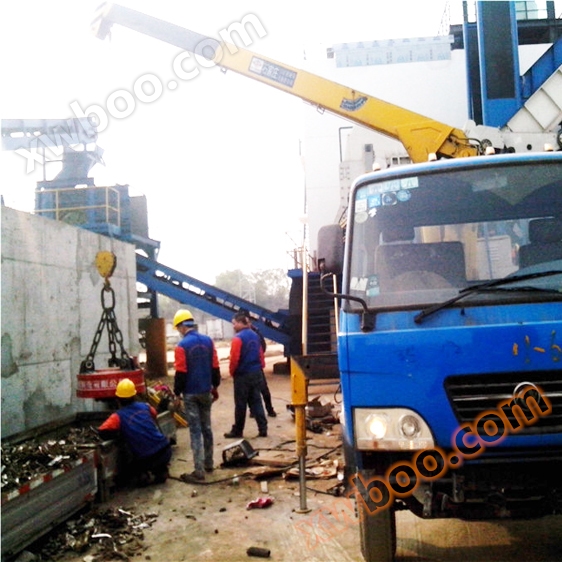
Car lifting electromagnetic coil
This series is used for suction and suspension of cast iron ingots, steel balls, raw iron blocks, and machined chips; Various miscellaneous iron, recy
Product details


1. Fully enclosed structure: Adopting a fully sealed structure, it has good moisture resistance.
2. Through computer optimization design, the structure is reasonable, the weight is light, the suction force is large, and the energy consumption is low
3. The excitation coil has undergone special processing to improve its electrical and mechanical properties, and the insulation material has reached a heat resistance level of C with a long service life.
4. The rated power continuity rate of ordinary electromagnets has been increased from 50% in the past to 60%, which has improved the efficiency of electromagnet use.
5. The ultra-high temperature lifting electromagnet adopts a unique insulation method, and its suction temperature has increased from 600 ℃ in the past to 700 ℃, expanding the application range of the electromagnet.
6. Usually, a constant voltage control method is used, and strong excitation control method (DC-290V/DC-220V) and constant current power supply method can also be used. It can not only improve lifting capacity, but also save energy and increase economic benefits.
7. Easy installation, operation, and maintenance


1. When the temperature of the material being transported is below 100 ℃, please use a normal temperature lifting electromagnet; If the temperature exceeds 100 ℃, please choose a high-temperature lifting electromagnet. If the temperature exceeds 600 ℃, please use an ultra-high temperature lifting electromagnet.
2. When the power on duration exceeds 60%, please use high-frequency lifting electromagnets.
3. When lifting materials in water, please choose a submersible type (with a diving depth of no more than 100m). The parameters of the submersible lifting electromagnet are the same as those of the ambient temperature type. If the user requires a submersible type, please specify it when placing an order.
4. Surrounding environmental temperature: normal temperature type -5 ℃~40 ℃, high temperature type -5 ℃~50 ℃. The altitude shall not exceed 2000m.
5. Equipment matching: When using a single unit, select rectification control equipment and auxiliary equipment according to the power consumption (current); When multiple units are used in combination, select based on the sum of the power (current) consumed by the number of units used in combination.
Online inquiry
-
Contacts
-
Company
-
Telephone
-
Email
-
WeChat
-
Verification Code
-
Message Content
-