| Specialized performance: |
Overview of hammer crusher structure:
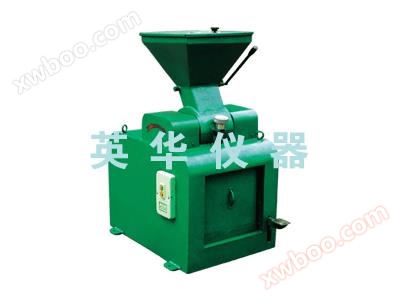
The hammer crusher only consists of an organic body, a rotor system, a hammer head, a sieve grate, a transmission device, and a power part. The body adopts two structural forms, one is cast as a whole, and the other is welded with high-quality steel plates. It mainly gathers materials in the body for the hammer to strike and achieve the purpose of crushing.
The rotor is assembled from the main shaft, disc, hammer head, and other components. When the electric motor drives the rotor through the pulley, the hammer head rotates at high speed, generating a strong impact force, and the material enters the rotor and is crushed by the impact belt. When the crushed material reaches the required particle size, it falls into the silo. The particle size is controlled by the size of the sieve. The size of the output is also proportional to the size of the sieve holes.
Installation and commissioning of hammer crusher:
The machine must be installed in a sheltered place.
The electric motor must be installed behind the crusher, and the motor of the sealed hammer crusher used for testing is installed inside the casing. The machine has four feet fixed on a concrete foundation. The small crusher used in the experiment does not require a foundation.
After the installation of the crusher is completed and the foundation solidification period has expired, the trial run can be carried out. Before the test drive, manually rotate the pulley to confirm that the movement is not obstructed. Then, proceed to the empty test. After two hours of the empty test, carefully observe the machine's movement and rotation. After confirming the normal operation of the crusher, load testing can be carried out. Using materials with sub hardness or small block size for work, if there are no faults, normal production can be carried out.
Maintenance and precautions for hammer crusher:
In order to ensure long-term good use of the machine, calcium based grease should be regularly added to each moving mechanism and bearing, and each bearing should be refilled every 60 days.
After the crusher is started and the operating speed reaches normal speed, feeding can be carried out strictly to prevent steel and ultra hard rocks from entering the machine and damaging the parts. Small hammer crusher feeding, with manually controlled gate feeding amount. Hammer crushers are prone to splashing, so special care should be taken during operation. The discharge of the large hammer crusher is of the inclined chute self flow type. When starting each shift, carefully check whether the screws of each part of the crusher are loose. Regularly observe the working condition during operation. If any abnormal situation is found, stop working, thoroughly handle and eliminate the fault. During operation, any cleaning work and installation of dismantling belts are strictly prohibited. It is forbidden to use hands or pry bars to remove ore from the loading port to prevent accidents. Before parking, the feeding of materials to the machine must be stopped first, and the machine can only be stopped after all the materials inside have leaked out.
|